Why Seasonal Workforce Planning Matters in Horticulture Recruitment
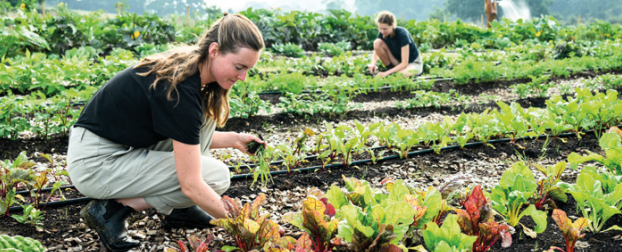
Horticulture recruitment presents unique workforce challenges for businesses operating within the growing, flower and wider agricultural sectors. Unlike many industries where labour demand remains relatively stable throughout the year, horticulture businesses often experience significant fluctuations depending on the season, weather and market demand.
This means workforce planning is critical. Businesses cannot afford to wait until demand increases before considering recruitment, particularly in an industry where timing can directly affect product quality, fulfilment and profitability.
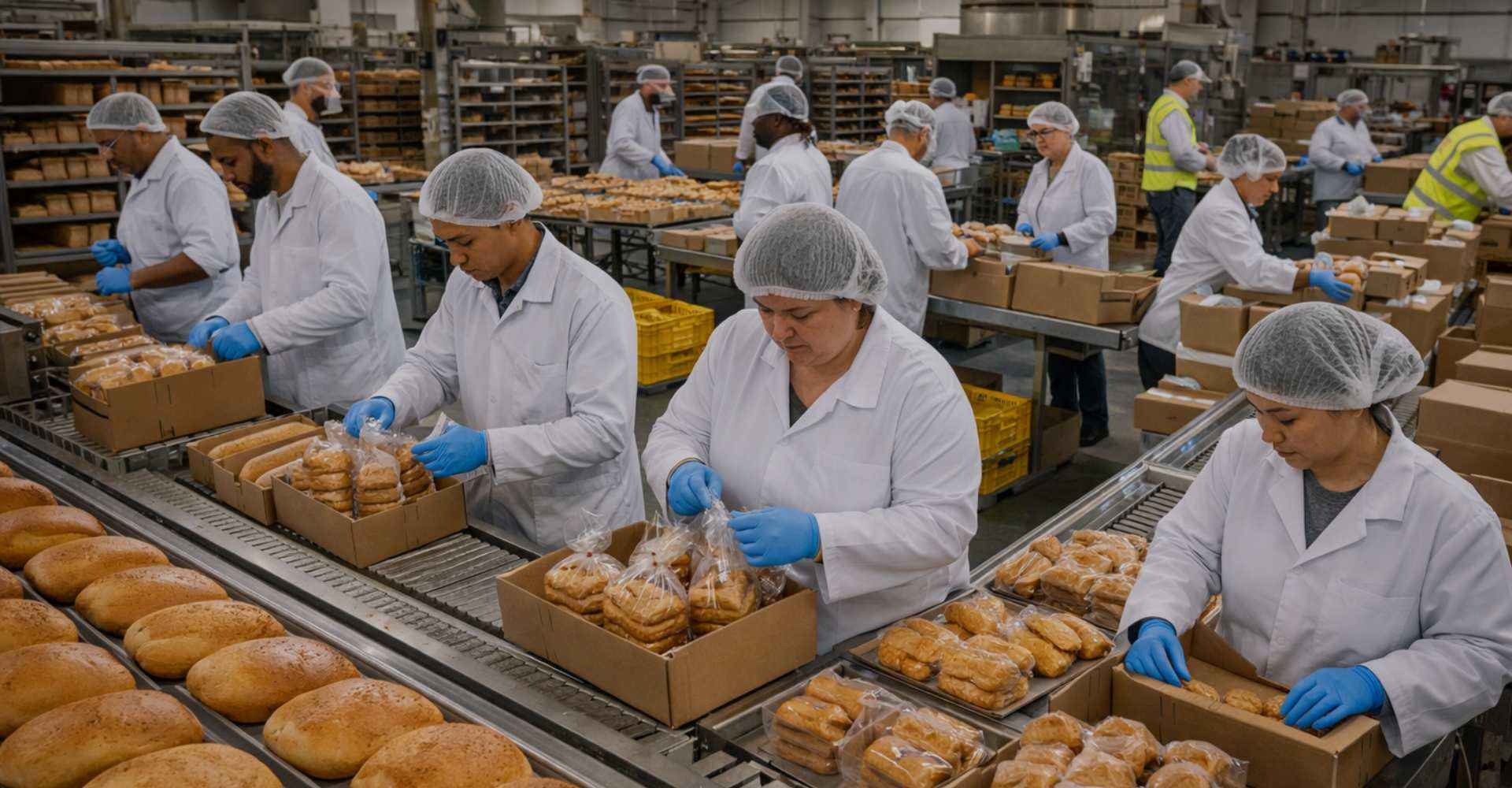
Whether managing flower production, plant nurseries, crop harvesting or distribution preparation, having the right people available at the right time is essential to maintaining smooth operations.
Why Labour Demand Changes So Quickly in Horticulture
One of the biggest challenges in horticulture recruitment is the unpredictable nature of labour demand.
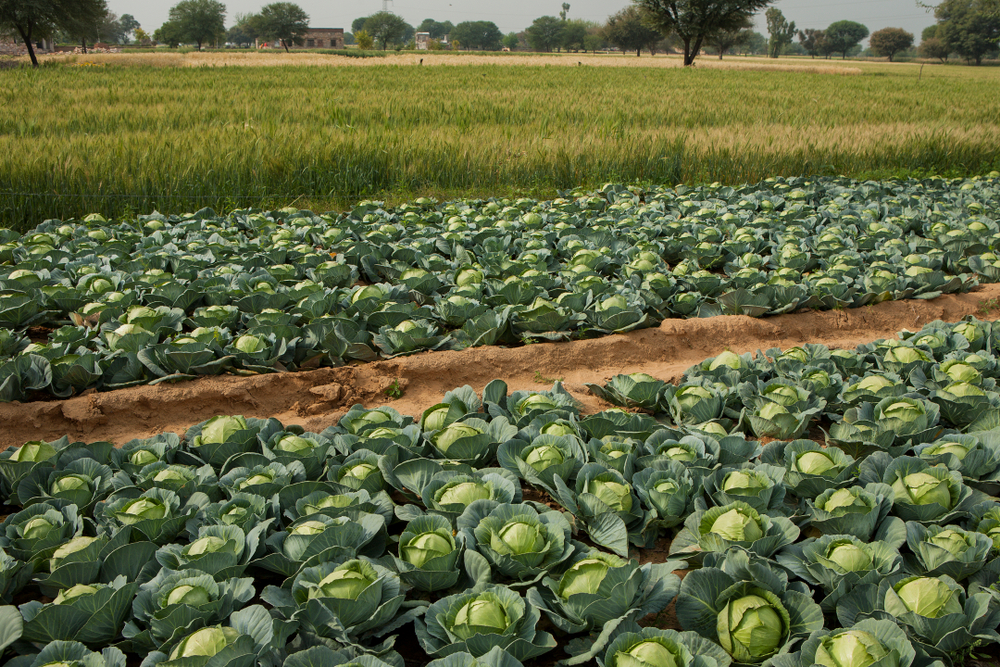
Many businesses operate around highly seasonal cycles, with workforce requirements increasing significantly during planting, growing, harvesting and peak sales periods. Events such as spring demand, summer retail peaks, Mother’s Day and other promotional periods can create sudden spikes in workforce requirements, particularly for flower growers and suppliers.
Weather conditions can also impact demand quickly. A sudden change in temperature or seasonal patterns may accelerate or delay harvesting schedules, forcing businesses to adapt their workforce requirements at short notice.
This level of unpredictability makes workforce flexibility a key part of successful operations.
The Risk of Leaving Recruitment Too Late
Businesses that fail to plan ahead often find themselves under pressure when peak demand arrives.
If horticulture recruitment is approached reactively, businesses may struggle to secure enough workers during busy periods, particularly when competing against other employers in similar sectors. This can lead to:
Delays in harvesting or production
Increased overtime and internal pressure
Reduced fulfilment capability
Lost product due to time sensitivity
Compromised service to customers and retailers
Because many horticulture products are time-sensitive and perishable, delays can have immediate commercial consequences.
Why Temporary Labour Plays a Key Role
Temporary labour has become an essential part of effective horticulture recruitment, helping businesses scale their workforce in line with demand without overcommitting during quieter periods.
Access to a flexible workforce allows horticulture businesses to remain agile and responsive, increasing labour capacity during key operational windows while controlling long-term fixed staffing costs.
However, temporary recruitment still requires structure and planning. Businesses benefit most when they work with trusted recruitment partners who understand forecast demand, operational requirements and the pace at which labour may need to scale.
Building a Stronger Seasonal Recruitment Strategy
The most successful horticulture businesses take a proactive approach to workforce planning by reviewing labour needs well in advance of expected peaks.
This often includes:
Forecasting labour demand based on previous years
Planning around seasonal sales and retail cycles
Creating contingency for weather disruption
Building workforce pipelines before demand rises
Securing recruitment support early
By preparing ahead, businesses reduce the risk of last-minute shortages and place themselves in a stronger operational position.
Why Reliability Matters in Seasonal Operations
In many horticulture environments, workforce reliability is just as important as workforce volume. Having enough people scheduled is only part of the equation, businesses also need confidence that workers will arrive on time, remain engaged and perform consistently during busy periods.
This is particularly important where deadlines are tight and products must move quickly from production to packing and distribution. A sudden drop in attendance or productivity can create immediate operational delays that affect the wider supply chain.
For this reason, many employers place significant value on working with recruitment partners who can provide not only labour at speed, but workers who are properly vetted, briefed and suited to the demands of the role.
Stability Through Better Workforce Planning
Ultimately, successful horticulture recruitment is about ensuring workforce availability aligns with the fast-moving nature of the sector.
Businesses that treat recruitment as a strategic planning exercise rather than a last-minute requirement are far better placed to maintain output, protect margins and deliver consistently during high-pressure periods.
At Corr Recruitment, we support horticulture businesses with flexible labour solutions designed around seasonal demand, workforce planning and operational continuity.
Learn more about our Horticulture Recruitment.
For further sector information, visit the Horticultural Trades Association.