
Right to Work Checks Explained
We’ll make sure everything is clear and easy to understand.

Right to Work Checks
Right to Work checks for agency workers are a legal requirement before anyone can start an assignment in the UK. Recruitment agencies must confirm that every worker they place is legally allowed to work and that identity documents are genuine and valid.
At Corr Recruitment, these checks are completed before any placement begins. This ensures that workers are properly registered, assignments are compliant with UK employment law, and clients can rely on a verified and authorised workforce.
Completing Right to Work checks for agency workers also protects individuals from identity fraud, illegal working risks and employment disputes. By verifying eligibility at the start of the recruitment process, Corr ensures that workers begin assignments with the correct documentation and clear records in place.
What Documents You May Need to Provide
During the registration process, you will be asked to provide documentation confirming your identity and eligibility to work in the UK.
These may include a passport or identity document, visa or share code where required, and role-specific qualifications such as a driving licence or professional certification. Some positions may also require employment references or additional verification depending on the responsibilities of the role.
Your Corr consultant will guide you through this process and explain exactly what documentation is needed for your registration.
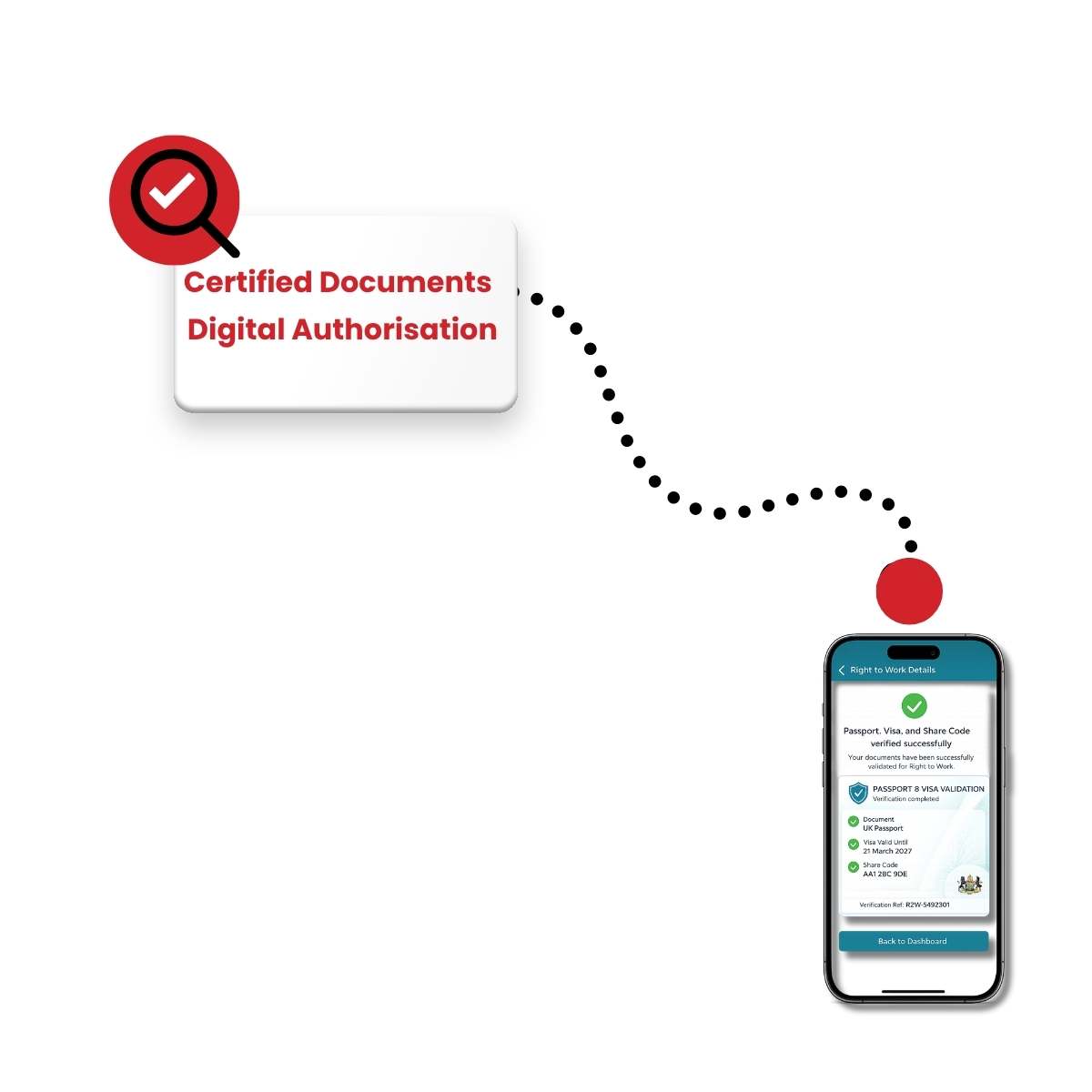

Secure Digital Identity Verification
To ensure Right to Work checks for agency workers are completed accurately and securely, Corr Recruitment uses certified digital identity verification technology.
This process validates identity documents, passports, visas and share codes in line with UK Home Office guidance, helping ensure that eligibility checks are completed correctly before any assignment begins.
Digital verification also helps prevent identity fraud and allows workers to complete the process quickly and securely during registration.
Opportunities Backed by Experience
Join a network where your journey is supported, your work is valued and opportunities are consistently available.
Registered Candidates
0
k+
Candidates placed each week
0
+
Shifts covered during peak periods
0
+
Office locations
0

Monitoring Eligibility During Assignments
Right to Work checks for agency workers do not end once registration is complete. Where visas, licences or qualifications have expiry dates, Corr maintains monitoring systems that track these dates and alert the recruitment team when re-verification may be required.
This ensures workers remain eligible throughout their assignments and helps prevent disruptions to placements or scheduling.
By maintaining structured monitoring and verification controls, Corr protects both workers and clients while ensuring compliance remains consistent throughout the employment lifecycle.
Protecting Your Personal Information
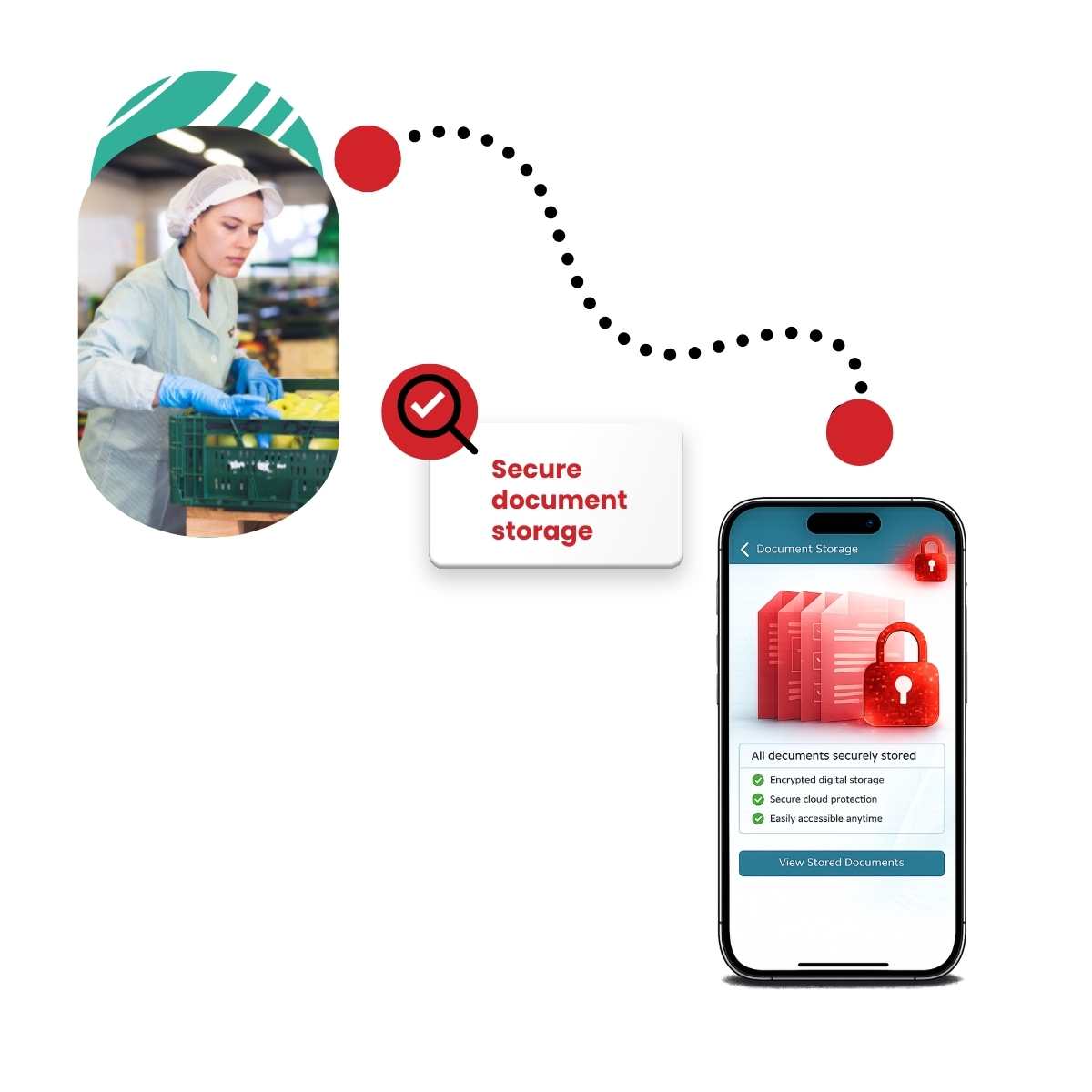
All Right to Work documentation provided during registration is stored securely within Corr’s recruitment systems. These records are maintained in structured digital format so they can be retrieved quickly if required for compliance checks or client audits.
Maintaining secure records and accurate documentation forms an important part of Corr’s wider compliance framework and supports responsible recruitment practices across all assignments.
Register for the Latest Jobs
We place thousands of workers every week across full-time and part-time roles, register today to access new opportunities as they come in and get straight to work.

Consistency and Confidence from Day One
Right to Work checks also play an important role in maintaining consistency across assignments, particularly in sectors where workforce demand changes quickly. By having clear processes and accurate records in place, agencies can respond more efficiently to client requirements while ensuring standards are not compromised.
For workers, this creates a more reliable experience, with fewer delays at the point of placement and greater confidence that everything has been handled correctly from the outset. It also supports smoother transitions between roles, as verified information can be managed and updated without repeating unnecessary steps.